
War and Peace
You shall not murder, steal, or lie.
These rules can be found in all religions and philosophies in one form or another. They are at the core of the laws of all countries around the world.
Why?
Because they form the foundation of how humans live together in families, communities and societies. They enable us to sleep safely and interact with others without fear of harm. They simply make sense ...
Non-negotiable - not between individuals - not between nations.
However, there are people who think they need not follow these rules. We usually call them criminals or terrorists. We let the police hunt them and judges send them to jail.
But there are people whom we allow to not follow these rules. We call them politicians. We allow them to declare war and send soldiers to other countries. At least if they are our politicians. Not if they are foreign politicians, those are still considered criminals.
Defense is accepted, attack is not. However, what is what? Did the U.S. defend against Al-Qaeda, or attack Afghanistan? Does Israel defend against Hamas and Hezbollah, or attack Gaza and Lebanon? Do Donald and Bibi defend the world against state terrorism going nuclear, or attack the mullahs based on false claims *1.
Each conflict has two sides and these sides tend to have opposing views. As do their outside supporters who have their own interest to take one side or the other ...
To get an idea how a conflict can be resolved, one must look at the arguments of both sides. Not accept them, but understand them. For example, consider the conflict between Russia and Ukraine.
Russia basically says:
- Many citizens of Ukraine are native Russians. Their language and culture are suppressed by the current Ukrainian government. We must protect our compatriots.
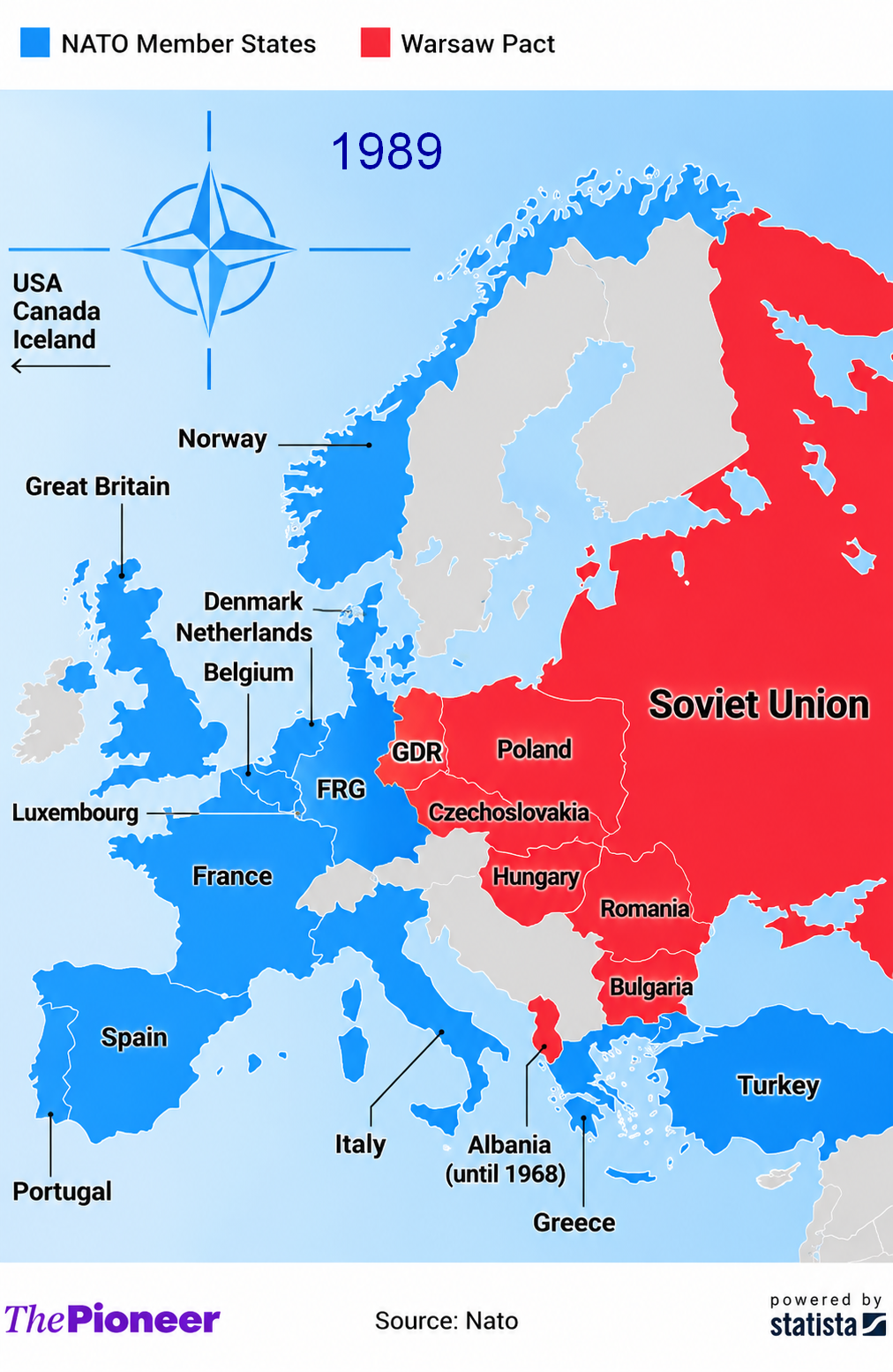
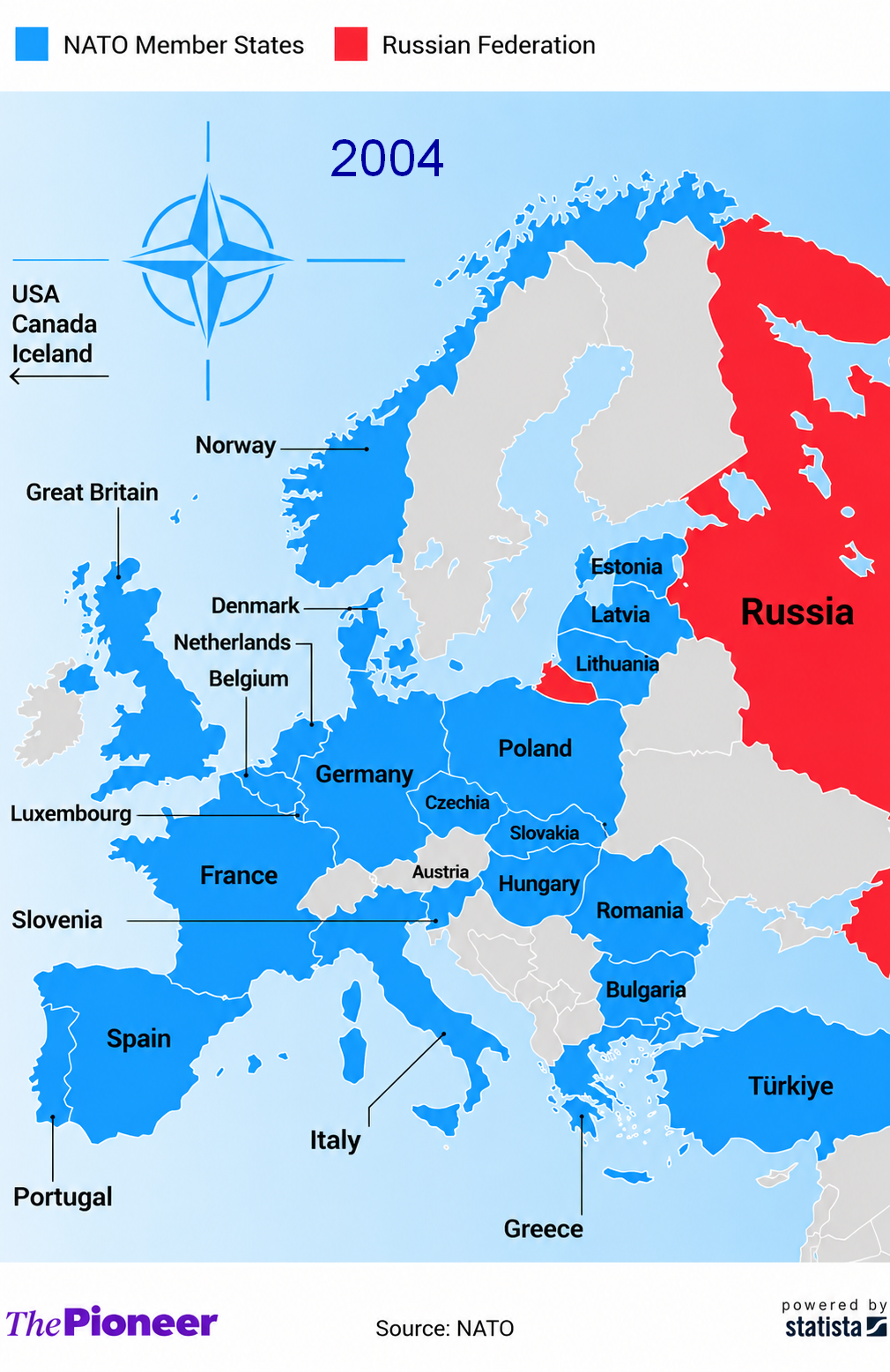
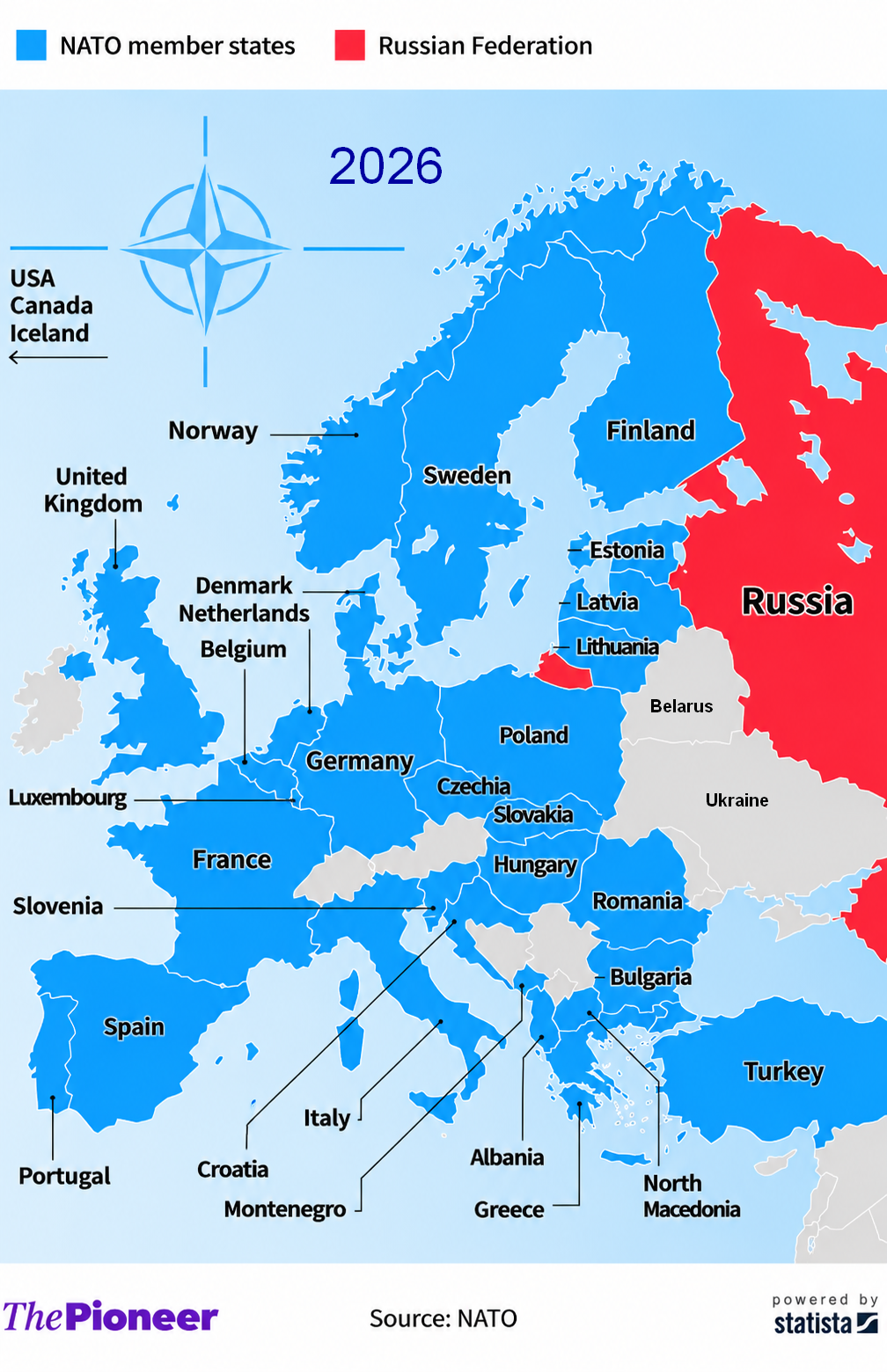
- When the Soviet Union agreed to withdraw its army from East Germany and Germany to reunite, western politicians gave an implicit guarantee that NATO would not expand eastward, although that never was part of the official contracts signed by both sides.
- NATO troops at our borders are a threat. Maybe not today, but who knows what future politicians will do? We were invaded by Napoleon's and Hitler's troops and barely survived. We will never accept this threat again.
Fig. 1 - 4: NATO going east since the end of the cold war 1989 until today *2
Ukraine's arguments are:
- Ukraine was part of the Russian Empire and the Soviet Union because we were conquered by the czars in the 17 and 18th centuries. But we are actually a nation with our own culture and language.
- As an independent nation we are free to choose our allies—such as NATO or the EU—without interference from our neighbors.
- In 1994 Russia, the U.S. and Great Britain gave the Ukraine official safety guarantees, when Ukraine agreed to hand over all nuclear arms to Russia.
Supporters of Ukraine officially say:
- Ukraine is an independent state. And the Russia officially recognized this—just as it did with the Baltic states—when the Soviet Union collapsed in the 1990s. We must never allow any country to attack another state and thus must support Ukraine no questions asked.
What European supporters of Ukraine do not say, but may think:
- If Ukraine loses, millions of Ukrainians will flee to Western Europe. We already have too many migrants.
- If Russia wins, they may not stop in Ukraine. The war-trained Ukrainian soldiers may become part of the Russian army and make them even more dangerous. As long as the Ukrainians fight, we are safe.
- China may use a Russian victory as a template to attack Taiwan, which because of its semiconductor industry is much more important to the world economy than Ukraine. So we must not allow Russia to win.
Supporters of Russia officially say:
- Russia was humiliated by the collapse of the Soviet Union, just as many developing countries were humiliated by their colonial powers. Today, Russia is reacting in much the same way as Third Reich Germany, which started World War II because it felt humiliated by the Treaty of Versailles.
What supporters of Russia do not say, but may think:
- Russia is a major nuclear power and an important supplier of energy and raw materials—and far more important for us than Ukraine.
- After World War II, we had a period of peace longer than ever in Europe because we had clear zones of influence: Eastern Europe under the leadership of the Soviet Union, Western Europe under the leadership of the United States. The U.S. considers the Americas, the Atlantic and large parts of the Pacific still as their zone of influence, so why not let Russia reestablish its former zone of influence in Europe.
What China does not say, but may think:
- Let Russia keep the Europeans and the U.S. busy. When the war in Europe ends, the U.S. may come after us politically and economically.
- The war in Ukraine gives us time to further strengthen our own zone of influence in Asia and Africa.
- Cheap energy and raw materials from Russia will help our economy, especially against our European competitors.
Of course, I have my own opinion about all these arguments. But no matter how right or wrong they may be, neither my opinion nor those of most others do matter or change anything.
Conflicts between individuals can be solved by judges, who decide about right or wrong based on laws and rules. However, which authority shall arbitrate between nations? Yes, we have the United Nations and the International Court of Justice. But geopolitical conflicts are not decided via democratic processes and institutions. What matters is which side has the bigger stick, whether we like it or not. Without power, there is no way to enforce anything. Not even against small states with strong military like Iran, Israel, North Korea or others that do not cooperate when it goes against their interests. And definitely not against major nuclear powers like the U.S., Russia, or China.
Thus, conflicts still escalate into wars - now and in future. And if politics can't avoid wars, they must find a way to keep them as short as possible. How do wars end:
- Wars can be paused, if both sides are exhausted. Till one side gets new strength again ...
- Wars can be finished, when one side loses interest (think Vietnam, Afghanistan).
- Wars end, when one side is defeated (think World War II).
- Wars can be resolved by negotiations. But to really end and not only pause wars, the underlying root causes must be solved through a win-win sort of compromise for both sides.
So where does this leave us?
- To be continued -
Notes
*1 Germans like me shouldn’t be surprised if Israel reacts nervously when someone openly declares wishing to wipe out Jews and their state "from the river to the sea”. The Shoah with 6 million killed taught them to take such threats seriously ...
*2 Maps based on original graphics from www.thepioneer.de. In the first 10 years after the end of the cold war most former Warsaw Pact countries became NATO members. In the next 5 years joined by the Baltic states, former parts of the Soviet Union. When the Ukraine war started, Sweden and Finland, which always had been neutral before, also joined NATO. Ukraine applied for membership but was rejected in 2008. Belarus is officially neutral, but acts as a close ally to Russia.